
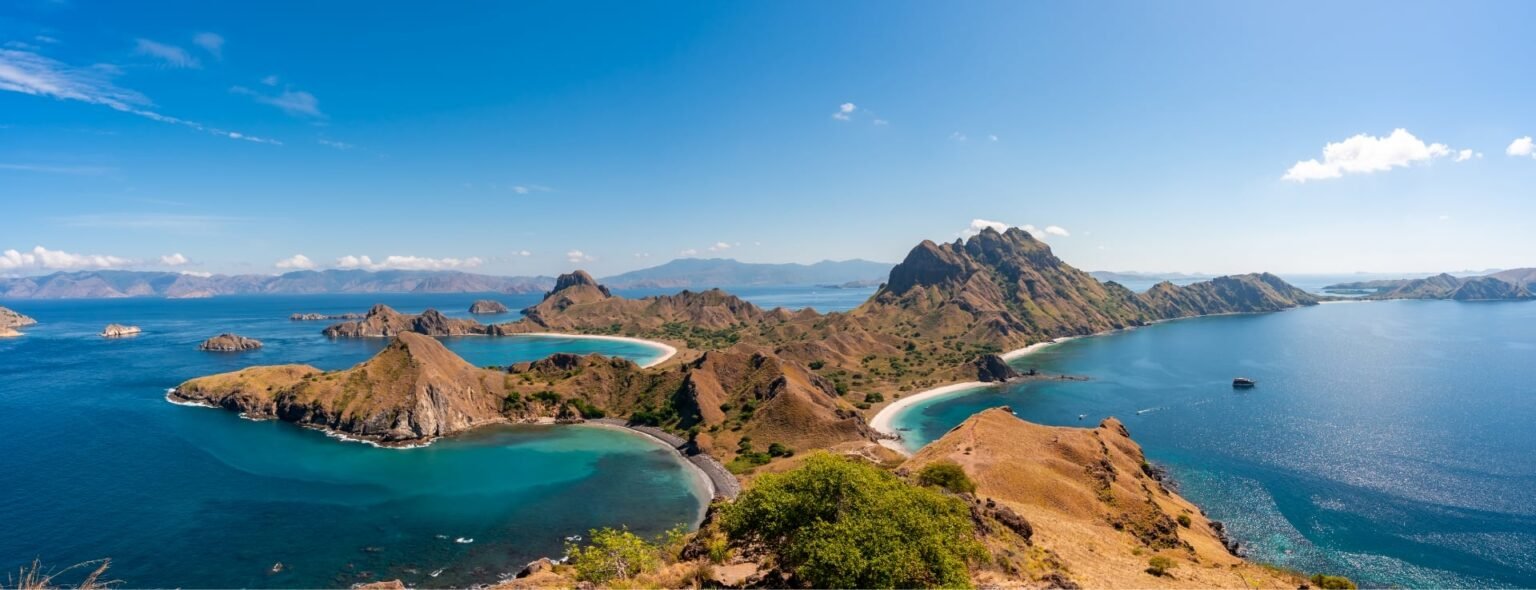
The best time to visit Komodo Island depends on what you want from the trip. Many travellers prefer the drier months from roughly April to October for a better chance of sunny days. Others choose the greener, quieter period because they value fewer visitors and can accept a greater risk of rain or route changes.
For a sailing trip, the month is only the first filter. Wind, waves, visibility, local currents and harbour instructions can affect a boat itinerary on any day of the year. The best plan is therefore a combination of sensible seasonal timing, the right boat and enough flexibility to follow the captain’s safety decisions.
This guide compares Komodo’s seasons from a boat traveller’s perspective so you can choose dates that fit your priorities rather than relying on a single “perfect month”.
Quick Answer: When Is the Best Time to Visit Komodo Island?
For many first-time visitors, May, June, September and early October offer an appealing balance of generally drier weather and fewer peak-season crowds than July and August. However, no month guarantees calm water, clear skies or wildlife sightings.
Use these broad planning windows:
| Period | General character | May suit travellers who want |
|---|---|---|
| April to June | Transition into the drier season; landscapes may still look green | A balance of scenery, outdoor time and moderate crowds |
| July to August | Popular dry-season period; high demand and busier attractions | A classic peak-season trip booked well in advance |
| September to October | Later dry season; generally dry landscapes and strong demand around key dates | Sailing and snorkelling with some flexibility outside peak holidays |
| November to December | Transition towards wetter conditions | Fewer visitors and a flexible itinerary |
| January to March | Wetter period with a greater chance of disruption | Travellers who accept rain and route changes for a quieter experience |
These are seasonal tendencies, not operating promises. Check the current forecast shortly before departure.
Understanding Komodo’s Two Main Seasons
Komodo National Park lies between Sumbawa and Flores in eastern Indonesia. The protected area includes Komodo, Rinca and Padar as well as numerous smaller islands and extensive marine habitat. UNESCO’s description of Komodo National Park emphasises both its dry savannah landscapes and coral-rich waters.
The region broadly experiences a drier season and a wetter season shaped by monsoon patterns. Actual onset and rainfall vary from year to year, and local sea conditions can differ across the national park on the same day.
Drier season: approximately April to October
This period generally brings less rain and more opportunities for clear views. It is popular for Padar Island hikes, beach visits, snorkelling and multi-day cruises.
The disadvantages are higher visitor demand, limited availability on preferred boats and busy conditions at famous stops. Dry weather also does not automatically mean smooth seas; strong wind or local swell can still affect exposed routes.
Wetter season: approximately November to March
Rain becomes more likely, humidity increases and the islands gradually turn greener. Visitor numbers may be lower, but itineraries require more flexibility.
Heavy rain, wind or waves can delay departure, shorten water activities or lead the captain to substitute a safer destination. That does not mean every wet-season trip is cancelled. It means travellers should avoid building a tight, non-refundable schedule around a route that depends on marine conditions.
Month-by-Month Guide for a Komodo Sailing Trip
January and February: flexible travel in the wetter period
January and February commonly fall within the wetter part of the year. Rain and cloud may reduce visibility, while wind and sea conditions can affect departure or route choice.
These months may appeal to experienced, flexible travellers who are comfortable with schedule changes. Build spare time into your stay in Labuan Bajo and avoid booking a flight immediately after the planned return from a multi-day boat.
Before paying, ask the operator what happens if the harbour authority or captain decides conditions are unsuitable. A clear rescheduling or cancellation policy is more important than a promise that the trip will “definitely” operate.
March: a transition month
March can still bring rain, but conditions may begin shifting towards the drier period. Green hills can be attractive for photography, while daily weather remains variable.
Treat March as a shoulder-season choice. It can work well if you have buffer days and accept that the planned sequence of islands may change.
April: greener scenery and the start of the drier window
April is commonly associated with the transition into drier weather. Landscapes may retain more green colour than later in the year, and rainfall can still occur.
This month suits travellers who want a balance between seasonal change and outdoor activity. Easter or other holiday dates may increase demand, so check the calendar as well as the climate.
May and June: a strong all-round choice
May and June are often attractive for travellers seeking drier conditions before the busiest part of the international holiday season. They can offer a useful balance for sailing, viewpoints and water activities.
Book early if you want a particular cabin or boat category. Even outside July and August, the most popular departures can fill well in advance.
July and August: dry-season demand and busy routes
July and August are among the most popular months for Komodo travel. Clearer weather is a major attraction, but school holidays and international travel demand can make boats and key sites busier.
Dry-season wind can still influence sea comfort, particularly on exposed crossings. Travellers prone to seasickness should choose the boat carefully, discuss the route and carry medication recommended by a qualified healthcare professional.
This is the period when advance booking matters most. Review the guide to the best time to book a Komodo tour and secure a preferred cabin rather than waiting for a last-minute opening.
September and October: later dry-season travel
September and October can still provide good opportunities for sailing and outdoor activities. Peak holiday pressure may ease on some dates, although popular boats and weekends remain busy.
The hills are often drier and more golden than in the early part of the year. If green landscapes are your priority, an earlier month may suit you better. If dry scenery, viewpoints and boat time matter more, this later window may be a good fit.
October is also a transition period in some years. Check current forecasts instead of assuming the entire month will follow the same pattern.
November and December: increasing rain and holiday demand
November often marks a shift towards wetter conditions, while December combines greater rain risk with demand around the end-of-year holidays.
This period can still produce enjoyable trips, but it rewards flexibility. Allow extra time in Labuan Bajo, confirm the operator’s weather policy and avoid choosing a boat solely on price.
Does the Dry Season Always Mean Calm Seas?
No. Rainfall and sea state are related to regional weather, but they are not the same measurement. A dry day can still be windy, and water may be rough in one channel while a protected bay remains relatively calm.
Komodo’s islands, straits and tidal flows create local conditions that are difficult to summarise with one annual calendar. Captains may alter the order of stops or avoid a particular crossing even when the sky looks clear from Labuan Bajo.
Close to departure, consult the BMKG marine forecast for Labuan Bajo waters. Treat it as part of the decision process rather than a substitute for instructions from the harbour authority and your captain.
When Is Komodo Least Crowded?
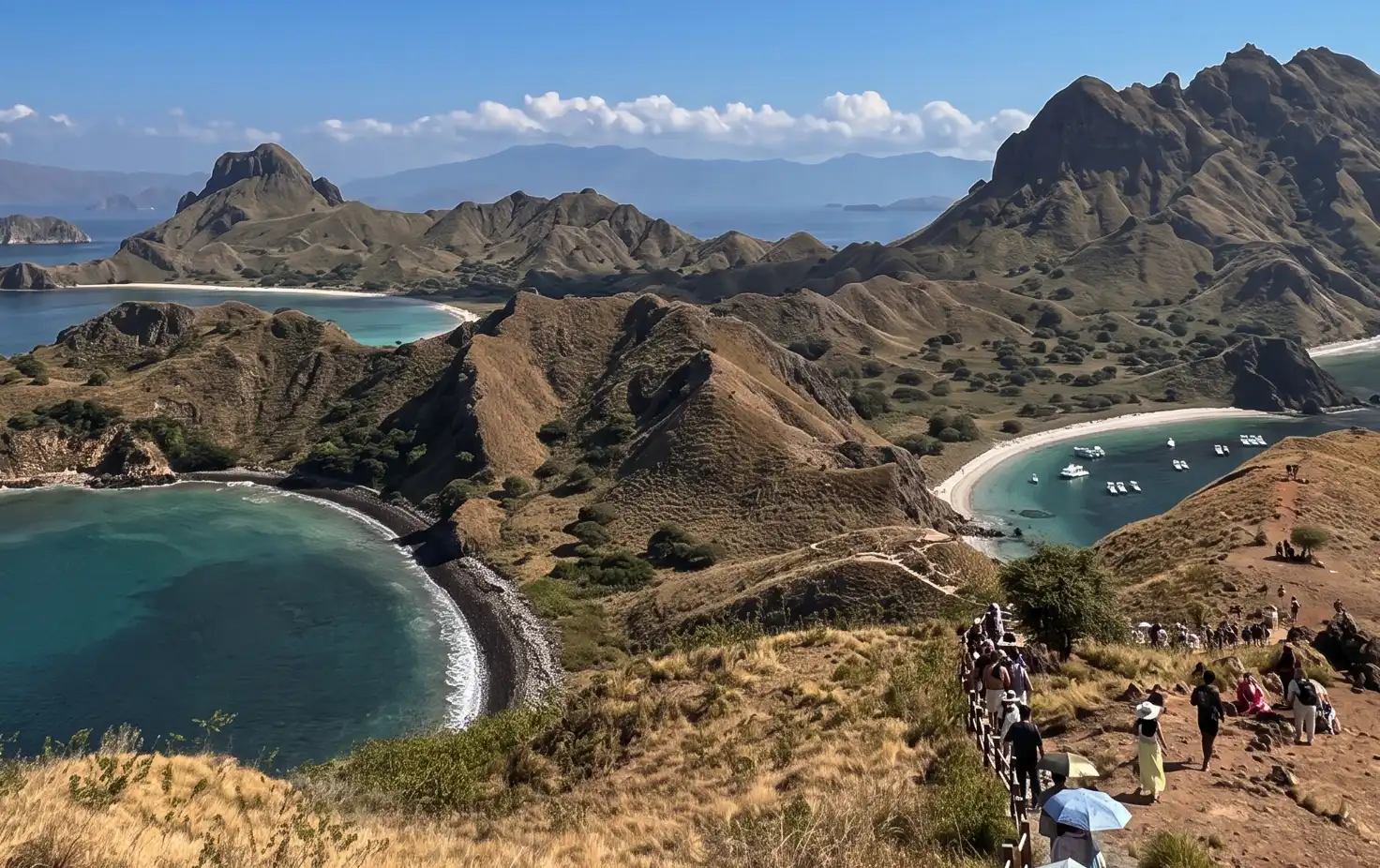
Visitor numbers are influenced by weather, school holidays, public holidays, flight availability and events in Labuan Bajo. The wetter months are generally quieter, but the trade-off is a greater risk of weather-related changes.
For a compromise, consider shoulder periods such as May, June, September or early October, then avoid major holiday dates where possible. Starting early may also help at certain stops, although many boats follow similar schedules and no operator can guarantee an empty attraction.
Crowd management is another reason to ask about group size. A smaller group can feel more organised on the boat even when the destination itself is busy.
Best Time for Different Komodo Experiences
For a first Komodo cruise
Prioritise a drier-season window that fits your schedule and budget. May, June and September are often practical starting points, but choose the specific dates only after checking boat availability and travel connections.
For Padar Island viewpoints
Drier conditions can make the trail less muddy, but the climb remains exposed and can be hot. Follow current access instructions, carry water and do not rush to match another traveller’s pace.
For Pink Beach
Pink Beach can be visited when the route and conditions allow. Daylight helps reveal the colour contrast, while swimming and snorkelling depend on the sea at the time. Read more about Pink Beach Komodo Island before planning the stop.
For snorkelling and diving
Visibility, current and marine life vary by site and day. Komodo is known for powerful currents, so a general “diving season” cannot replace an assessment of ability, certification and local conditions.
Divers should choose an established dive operator and disclose their experience honestly. Snorkellers should use a guide, stay inside the designated area and wear flotation support when needed. Wildlife encounters are never guaranteed.
For green landscapes
The wetter and transitional months generally bring greener hills. Travellers who want this appearance should accept a higher possibility of rain and cloud.
For golden savannah scenery
Later in the dry season, hills commonly become browner and more golden. This creates the classic dry Komodo landscape but also means stronger sun exposure and less shade on hikes.
How Weather Can Change Your Itinerary
A Komodo itinerary is a plan, not an unconditional route guarantee. Responsible operators may change it because of:
- wind or wave conditions;
- strong local current;
- poor visibility or heavy rain;
- harbour or national park instructions;
- congestion at a landing point;
- mechanical or safety concerns; or
- a guest’s health or emergency situation.
A route change is not automatically a service failure. It can be evidence that the captain is making a conservative safety decision. Before booking, ask which alternative destinations may be used and how the operator communicates significant changes.
Choosing the Right Boat for the Season

Trip comfort depends on more than the forecast. Compare the vessel and operating standards:
- passenger capacity and sleeping arrangement;
- cabin ventilation or air conditioning;
- toilet and freshwater facilities;
- life jackets in suitable sizes;
- navigation, communication and emergency equipment;
- shaded deck space;
- crew experience and briefing procedures; and
- written inclusions, exclusions and weather policy.
A private charter offers schedule flexibility but remains subject to the same weather, park and harbour constraints. A shared trip may be more economical, while a multi-day liveaboard reduces the need to return to Labuan Bajo after every day’s route.
Travellers with limited time can compare a one-day Komodo boat tour. Those wanting a slower itinerary can consider a 2-day, 1-night trip or 3-day, 2-night Komodo tour.
Booking and Scheduling Tips
Add a buffer day in Labuan Bajo
Arrive before the departure date rather than relying on a same-day flight connection. Keep at least some flexibility after the trip as well, particularly during wetter or transitional periods.
Avoid an immediate flight after disembarkation
Return time can change because of weather, harbour traffic or the route. An overly tight airport connection creates unnecessary risk.
Confirm what the price includes
Ask whether the quoted amount includes national park tickets, activity fees, meals, transfers, equipment and accommodation on board. Charges and procedures can change.
Read the cancellation policy
Understand what happens if the operator cancels, the harbour closes, you miss the departure or the itinerary changes without cancelling the whole trip.
Pack for both sun and rain
Even during the drier months, carry light rain protection and secure electronics in a dry bag. The Komodo cruise packing list covers the main personal items to prepare.
How This Guide Differs from a General Month Guide
The question “When should I visit Komodo?” can refer to landscapes, wildlife, prices, crowds, diving or boat comfort. This guide is specifically about planning a sailing trip and understanding why the route may change.
For a shorter overview organised around the main tourism periods, see Best Months to Visit Komodo Island. Keeping the two purposes distinct helps travellers choose the information that matches their decision.
Frequently Asked Questions
What is the single best month to visit Komodo Island?
There is no universally best month. May, June and September are often attractive for balancing drier weather and crowd levels, but the right choice depends on your priorities and the conditions in that particular year.
Is Komodo open during the rainy season?
Boat trips may operate during the wetter months, but individual departures and routes depend on weather, harbour instructions and park access. Confirm current operations with your provider.
When is the sea calmest in Komodo?
No month guarantees calm seas across the park. Sea state varies with wind, swell, tide, current and location. Check the short-range marine forecast and follow the captain’s judgement.
Is July or August too crowded?
These months are popular and major stops can be busy, but they remain workable with early booking and realistic expectations. Choose the boat, group size and itinerary carefully.
Can I see manta rays all year?
Manta sightings are possible in the region, but they are wild animals and encounters cannot be guaranteed. Current, plankton and site conditions affect whether a snorkelling or diving stop is appropriate.
When should I book a Komodo liveaboard?
Book well ahead for July, August, major holidays or a specific cabin. More flexibility may be available in shoulder periods, but reputable boats can still sell out.
Should I stay in Labuan Bajo before the cruise?
Yes, arriving at least one day before departure reduces the risk of a flight delay causing you to miss the boat. It also gives you time to attend a briefing and resolve last-minute arrangements.
Choose Dates That Match Your Priorities
For most first-time travellers, the drier period is the easiest place to begin planning. May, June and September often provide a useful balance, while July and August suit travellers who accept peak demand. The wetter months can reward flexible visitors with greener scenery and fewer crowds, but they require stronger contingency planning.
Whichever month you choose, check the current marine forecast, select a properly equipped boat and allow the captain to adjust the route when conditions demand it.
Explore Komodo Cruises Tour itineraries or contact the team with your dates, group size, preferred cabin and tolerance for a flexible route. They can help match your priorities to a suitable day trip, liveaboard or private charter.